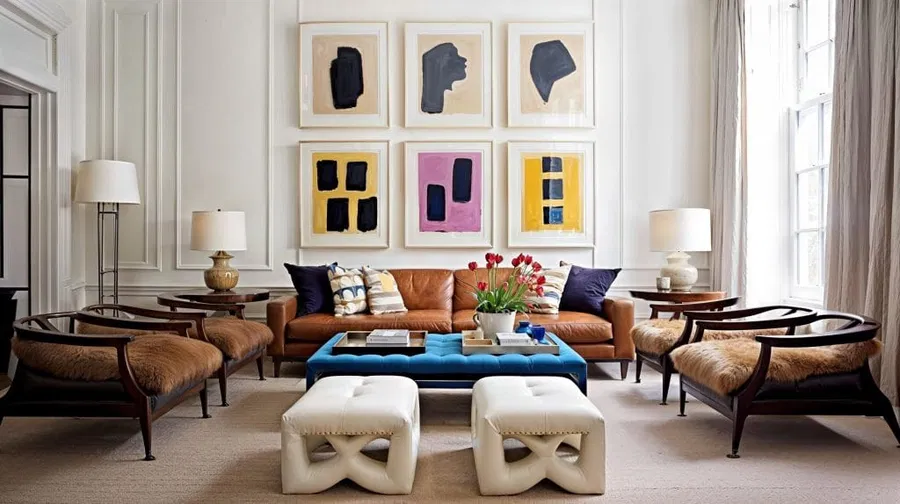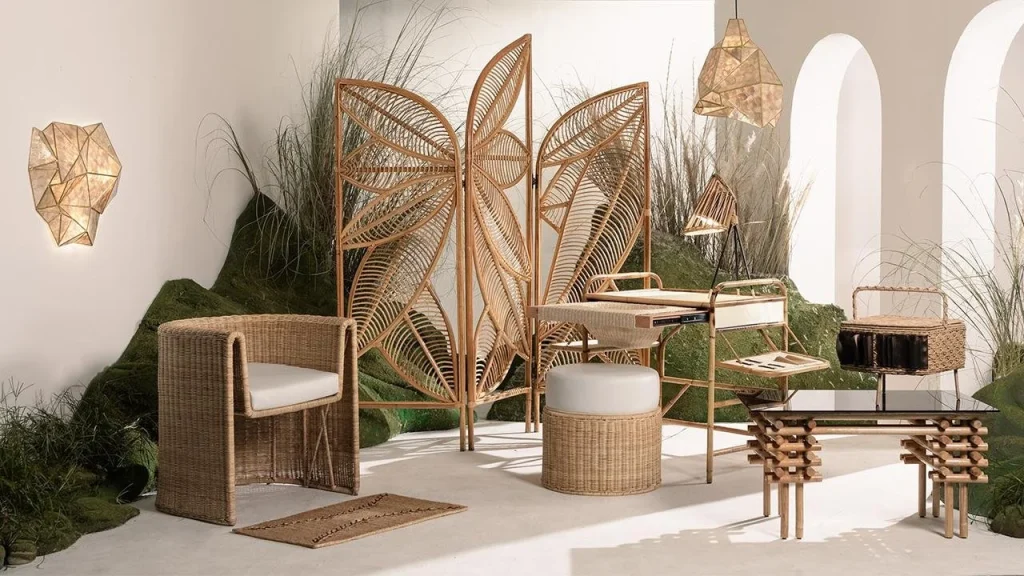
In recent years, eco-friendly interior design has moved from niche to mainstream. Homeowners increasingly recognize that sustainable choices not only protect the environment but also enhance comfort, health, and long-term savings. By thoughtfully selecting materials, furniture, and décor, every room in your home can reflect a commitment to sustainability without sacrificing style.
Why Choose Eco-Friendly Interior Design
Choosing eco-friendly interiors goes beyond a trend—it’s about creating spaces that are healthier for both people and the planet. Environmentally conscious designs reduce waste, conserve resources, and lower your carbon footprint. Using natural, non-toxic materials improves indoor air quality, making your home safer for children, pets, and anyone with sensitivities. Moreover, energy-efficient appliances and long-lasting materials can reduce monthly utility bills and maintenance costs, proving that sustainability and financial sense often go hand in hand.
Sustainable Flooring Options
Flooring sets the tone for a room, and sustainable materials offer both beauty and durability. Bamboo is a rapidly renewable option with a sleek, modern appearance. Reclaimed wood brings character while reducing deforestation, giving your home a story embedded in its structure. Cork, naturally soft and hypoallergenic, offers warmth underfoot and is harvested responsibly. Even carpets can be eco-friendly when made from recycled fibers or organic materials, providing comfort without environmental compromise.
Energy-Efficient Lighting Solutions
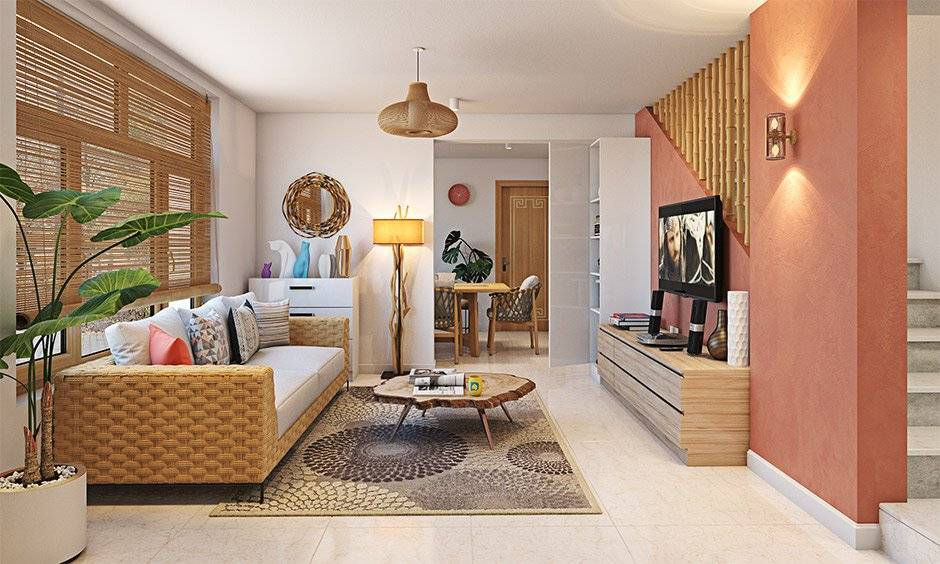
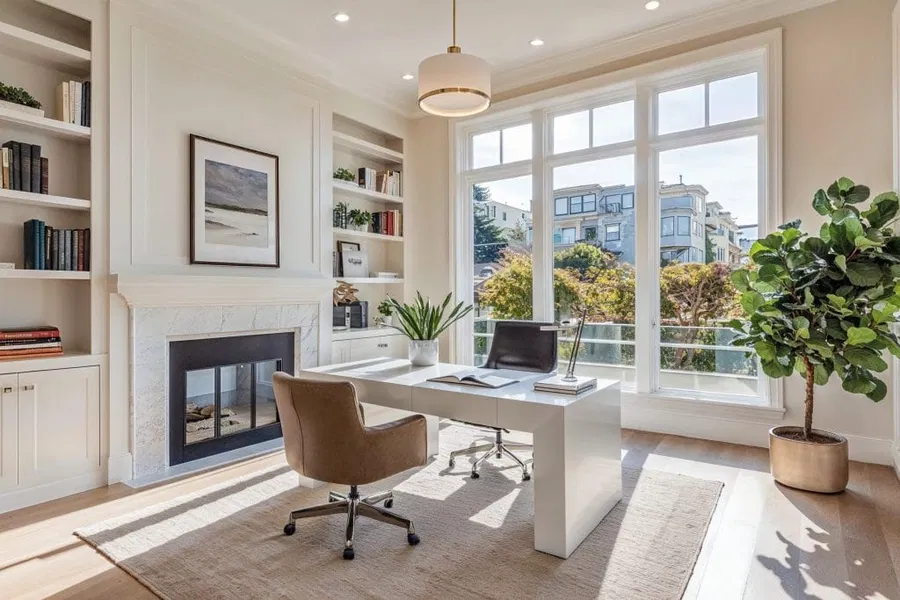
Lighting is both functional and atmospheric, and choosing energy-efficient options is key to a sustainable home. LED bulbs last longer and consume far less electricity than traditional lighting. Maximizing natural light through skylights or large windows not only reduces energy use but creates a warm, inviting environment. Solar-powered fixtures, both indoors and outdoors, further minimize reliance on non-renewable energy sources while adding an innovative, modern touch to your interior.
Sustainable Furniture and Materials
Furniture plays a critical role in eco-friendly interior design. Reclaimed and upcycled pieces give your rooms a unique character, while responsibly sourced wood from FSC-certified forests ensures ethical forestry practices. Recycled metals and glass are not only functional but add contemporary elegance. Upholstery crafted from natural fabrics like organic cotton, hemp, or wool combines comfort with environmental responsibility. By prioritizing durable, high-quality materials, you reduce the need for frequent replacements, aligning sustainability with long-term value.
Eco-Friendly Kitchen Design
The kitchen, often the heart of a home, can be transformed with sustainable choices. Energy-efficient appliances reduce electricity consumption and utility costs, while countertops made from recycled glass, bamboo, or reclaimed wood contribute to a responsible design approach. Choosing cabinets and paints with low or zero VOCs ensures that air quality remains high, protecting both your family and the environment. Even small adjustments, like using reusable containers and minimizing single-use plastics, make a meaningful difference in sustainability.
Green Living Room Ideas
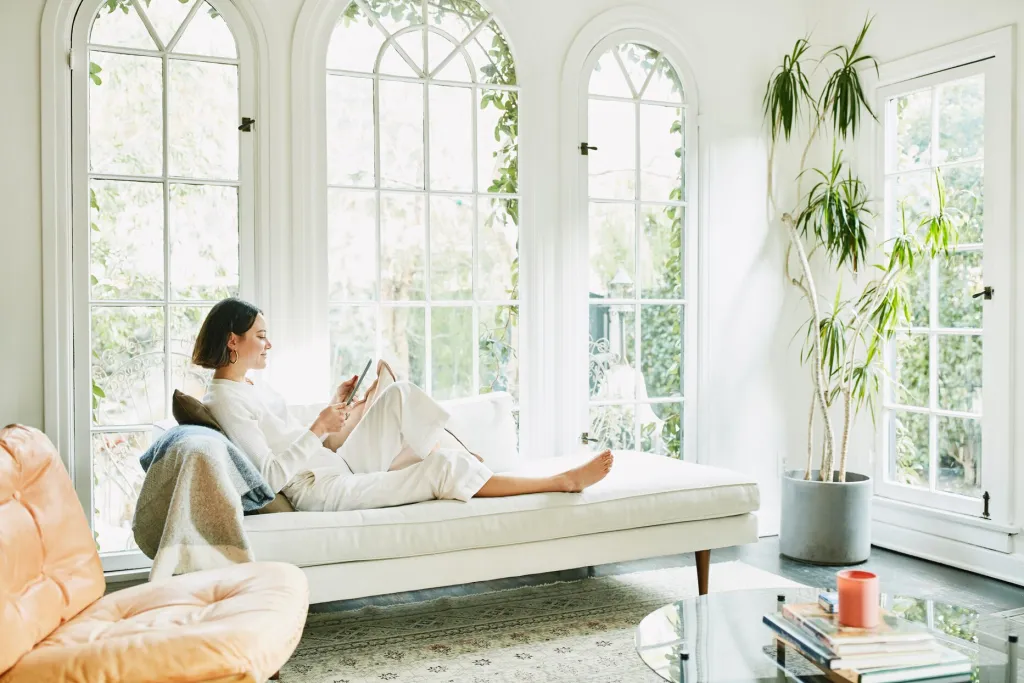
A living room can be both stylish and sustainable by incorporating indoor plants, which naturally filter air and bring a touch of nature indoors. Opting for natural textiles for curtains, rugs, and cushions enhances comfort while remaining eco-conscious. Non-toxic, low-impact paints and wall treatments not only protect health but also create a calming, natural aesthetic. Thoughtful placement of furniture and décor ensures energy efficiency while maintaining a warm, inviting environment.
Bedroom Sustainability Tips
The bedroom is a personal retreat, and eco-friendly design choices can significantly improve comfort and well-being. Organic bedding made from cotton, linen, or natural latex mattresses supports a healthier sleep environment. Sustainable storage solutions, such as upcycled dressers or bamboo shelving, keep your room organized while reducing environmental impact. Smart, energy-efficient heating and cooling systems maintain a comfortable temperature without excessive energy use, blending sustainability with modern convenience.
Bathroom Eco-Friendly Upgrades
Bathrooms offer many opportunities for sustainable upgrades. Low-flow toilets, faucets, and showerheads conserve water while maintaining performance. Recycled glass or stone tiles provide both aesthetic appeal and durability. Choosing eco-friendly toiletries and storage solutions, like refillable containers and bamboo accessories, minimizes plastic waste and complements a sustainable lifestyle. Even small details in the bathroom contribute to an overall healthier, greener home.
Tips for a Fully Sustainable Home
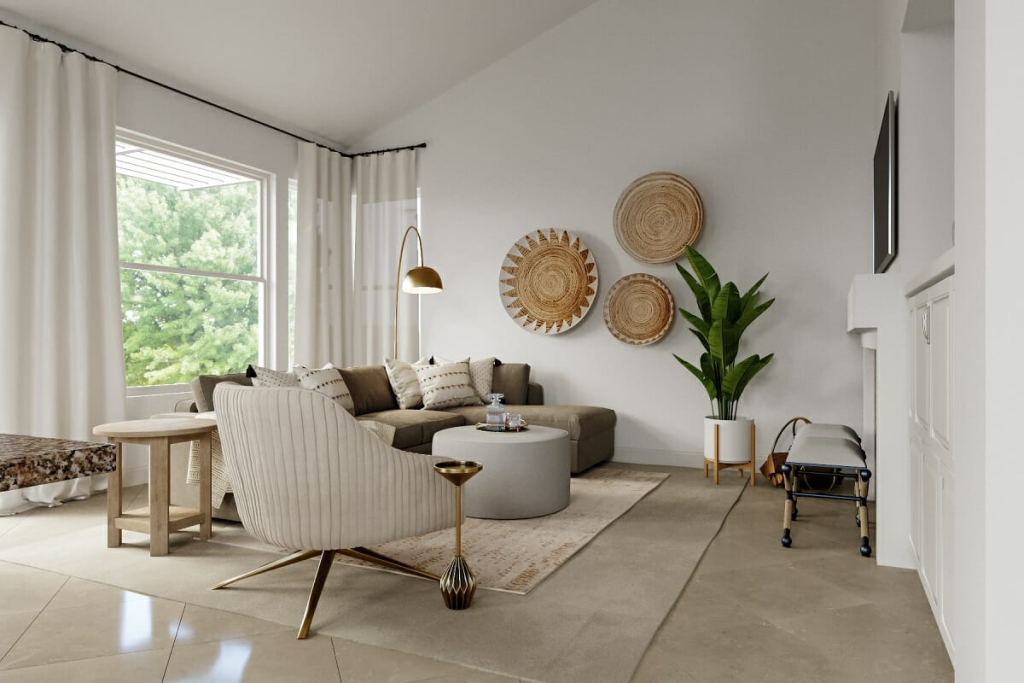
To create a truly sustainable home, think holistically. Incorporate recycling and composting practices, select multi-functional furniture that reduces excess, and source local and seasonal materials whenever possible. Integrating renewable energy solutions, like solar panels or energy-efficient appliances, further aligns your home with eco-conscious principles. Remember, sustainability is a journey—small, consistent changes across every room add up to a significant impact.
Eco-friendly interior design combines style, comfort, and responsibility. By embracing sustainable choices in flooring, furniture, lighting, and décor, every room can reflect a commitment to the environment and personal well-being. Start small, make intentional decisions, and watch your home transform into a healthier, greener, and more beautiful space.